
 简体中文
简体中文 English
Guangdong Grandeur International Exhibition Group
Phone: +86-20-22074185
E-mail: info@grandeurint.com
Add: 18th Floor, Global Trade Center, No. 148 Xingang East Road, Haizhu District, Guangzhou
Industry Information
Location:Home > News > Industry Information > DetailChina's Smart Vending Machine Industry Enters Fast Lane: Driven by Three Core Drivers Towards 2 Million Units in 2025
Date:2026-01-05 10:01:01
An exciting industry milestone is near. Authoritative forecasts show China's smart vending machine market stock will surpass 2 million units in 2025, with a 15%+ CAGR in the years ahead. Outperforming global markets, China's self-service retail is on an unprecedented fast track. Amid slowing traditional retail growth, what fuels this reverse momentum? This article analyzes three core growth drivers.
Driver 1: Unlimited Scene Expansion of Food-to-Go
The traditional beverage and snack vending market has matured; real growth lies in segments meeting consumers' immediate dining needs.
Short-fresh prepared food and hot meal cabinets: Office workers in office buildings and industrial parks have rigid daily meal demands. Smart cabinets with refrigeration, heating or simple production functions supplement convenience stores and restaurants. Reports show fresh food locations achieve over 30% higher sales than traditional beverage machines.
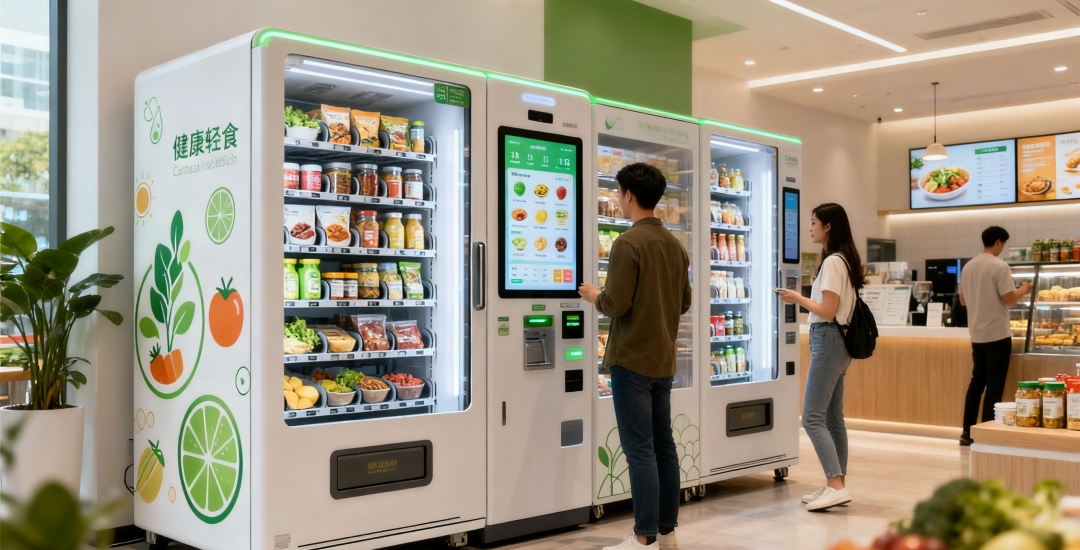
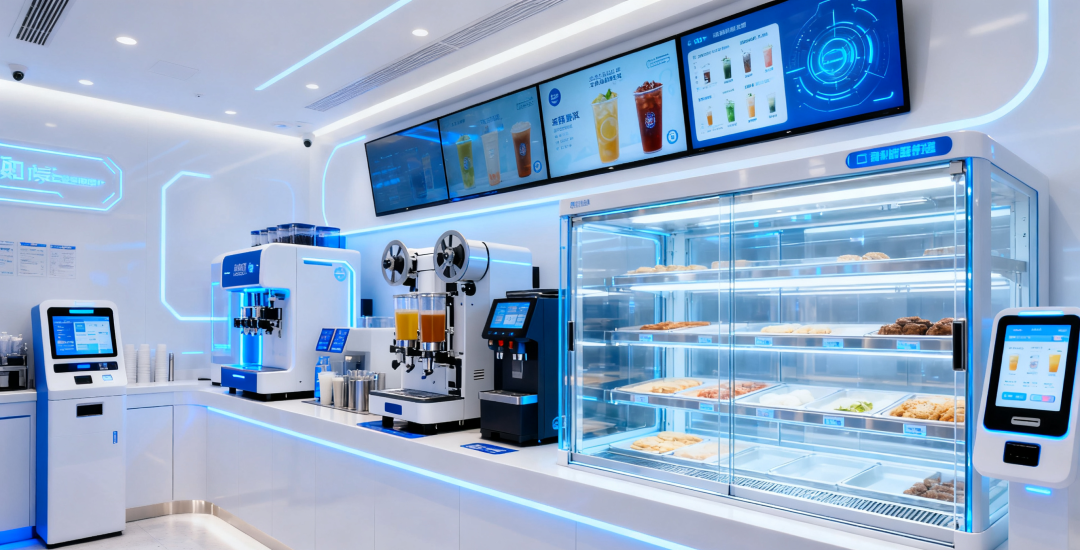
Freshly made drink unmanned stores: Staff-free, compact smart ice cream, coffee, milk tea and juice machines gain traction in malls and transportation hubs. Driven by high margins and appeal to young consumers, this segment will outpace the industry average long-term. Food-to-Go optimizes "last-meal supply" efficiency, boosting location value and total sales.
Driver 2: A "Magic Weapon" for New Brands to Sink Channels and Reach Consumers Precisely
For emerging brands, smart vending machines are more than sales tools—they are offline hubs for precise marketing and data collection.
Trendy blind boxes and electronics: POP MART’s success proves vending machines’ potential in trendy toys. Its robot stores cut labor costs and penetrate sinking-market malls, reaching young consumers 24/7. Earphones and data cables also suit vending machine sales in campuses, internet cafes and similar scenarios.

Healthy light meals and functional foods: Brands like Genki Forest and ffit8 control offline channels via self-operated or cooperative vending machines, collecting first-hand data for new product testing and targeted promotion. This D2C model builds a solid moat. For new brands, these machines integrate brand building and performance, with strategic value exceeding sales—driving rapid equipment growth.
Driver 3: "New Infrastructure" Driven by Policies and People's Livelihood Security
National macro policies provide strong, stable support for the industry.
15-Minute Community Living Circle: Promoted by the Ministry of Commerce and other departments, this national project designates smart vending machines as core community service facilities. Policies encourage installation in communities, subways and hospitals to meet residents' convenient needs, guiding operators' expansion and bringing policy dividends.
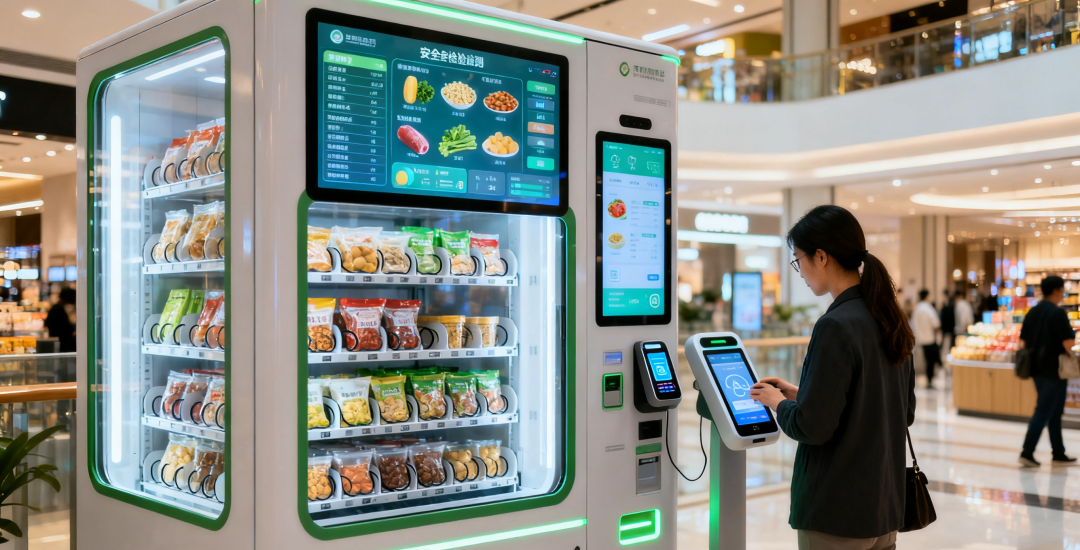
Digitalization and food safety upgrading: Strict food safety policies drive industry upgrading. With full-process traceability, real-time temperature monitoring and expired product locking, smart vending machines gain government recognition in fresh food and pharmaceuticals, expanding market space and standardizing development.
The 2 million-unit goal is achievable, driven by catering demand, brand channel layout and policy support, transforming the industry from single beverage sales to a full-category, full-scene digital smart retail ecosystem.